Explore collections and ask staff questions during a free public afternoon event. |

Rose Library October 21 Open House: A First Visit to Emory’s ArchivesMake time for a different kind of library visitEmory’s Stuart A. Rose Manuscript, Archives, and Rare Book Library is inviting curious first-time visitors behind the scenes on Wednesday, October 21, 2026. The university’s open house announcement lists a free public drop-in event from 4:30 to 6:30 p.m., with registration suggested. This is an opportunity to meet staff and explore how archival materials become available for study.
Start with the event announcement for its registration link and any updated arrangements. Do not substitute the reading room’s ordinary appointment hours for the open house schedule. The Rose Library homepage lists research access separately and specifically notes an October 21 exception to its normal Wednesday schedule.
Before leaving, check the event’s arrival information and confirm the library location, parking and access needs for your group. A campus street address alone may not get you to the correct entrance or floor. Allow time to find the event without rushing through the first conversation.
You do not need a finished research project to benefit from an open house. Bring one interest—a photographer, a writer, a community or an older document—and a question about how someone might investigate it. A small starting point is easier to discuss than a request to explain the entire archive. |
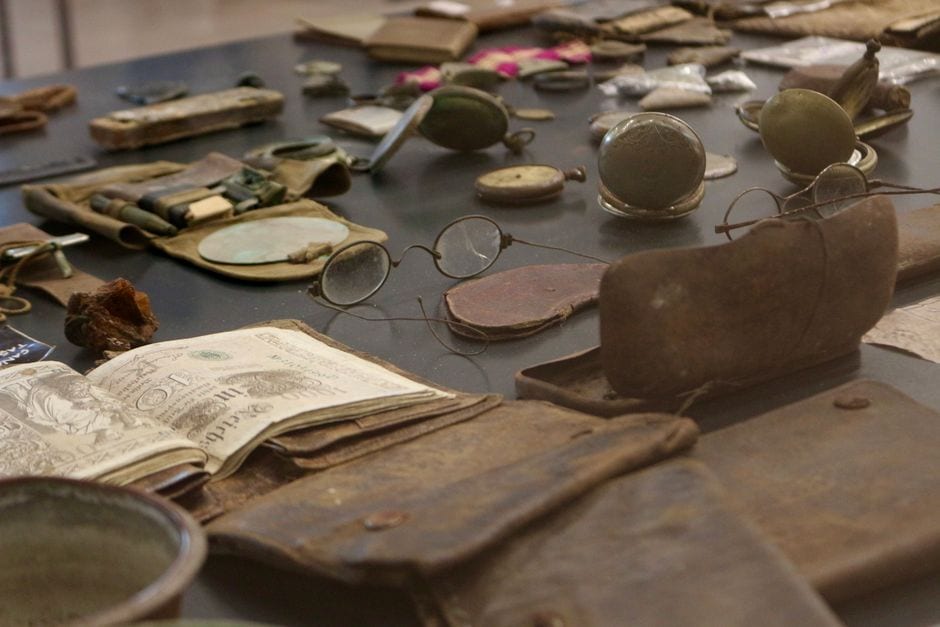 Illustrative historical materials; not the Rose Library collection. Photo by Uğur Çetinkaya on Pexels |
Follow an interest through the collectionsThe library’s collections overview identifies African American history and culture, literary and poetry materials, political and social movements, rare books, Southern history and university archives. Use those areas as possible starting points rather than assuming every item will be on display during the event.
When you encounter a document or photograph, ask what information accompanies it. Who created it, when was it produced and how did it reach the library? A caption or catalog description may answer some questions while raising others. Different kinds of evidence can help explain the same event from different positions.
Choose one material that surprises you and take note of its collection name or identifying description, following staff instructions. That detail can be more useful later than remembering only a broad subject. Ask how a researcher would locate related items and whether descriptions can be searched online.
For photographs, notice the difference between an image’s visible details and a conclusion about its meaning. A person’s expression or an unfamiliar setting may invite questions without proving what happened. Staff can explain how other records and collection context help researchers interpret what they see.
The open house announcement also describes oral history listening stations and opportunities to learn about collections work. Treat a recorded recollection as one person’s account, and ask how it is preserved and described. Listening carefully can reveal a different kind of evidence from a written document. |
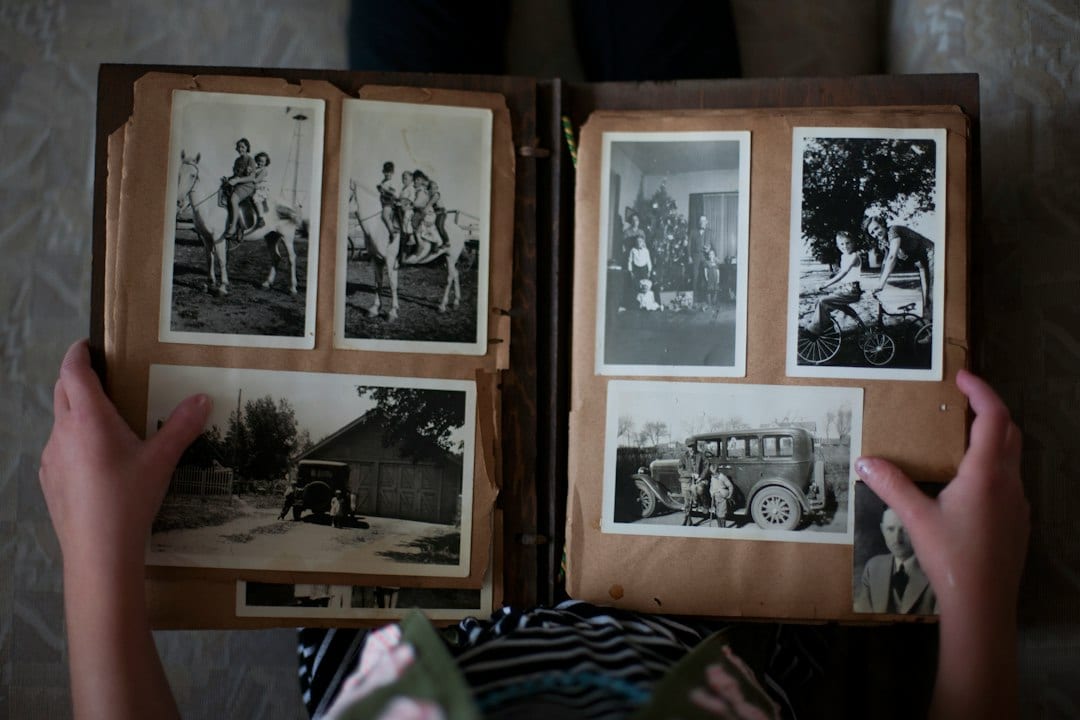 Illustrative photograph album; not Emory’s archival holdings. Photo by Laura Fuhrman on Unsplash |
Turn a good question into a next stepAn open house introduction is different from a later appointment to consult selected materials. Ask staff what preparation is needed for a research visit and use the library’s current guidance before returning. A useful follow-up might be a specific collection search or a consultation, rather than an immediate request for every record on a topic.
The teaching and learning page explains that staff collaborate with instructors on classes using rare books, manuscripts and archives. Educators can ask how an archival session could support a particular learning goal. A public event invitation does not itself reserve a class session or promise access to every item.
Compare our Jimmy Carter Museum and research guide for another research-oriented outing, or our Atlanta History Center photography guide for a separate exhibition plan. Facts were checked October 7, 2026. Recheck the open house announcement, registration and arrival details, then leave with one question and a practical way to pursue it.
For more local outing ideas, explore our guide to things to do in Atlanta, GA. |
0 Comments
Join the conversation
Be the first to comment
Share your thoughts above.