
The Breman First Visit: Museum Hours and the 18th Street Entrance |
Use gallery hours rather than office hours and plan a focused look at Jewish history. |
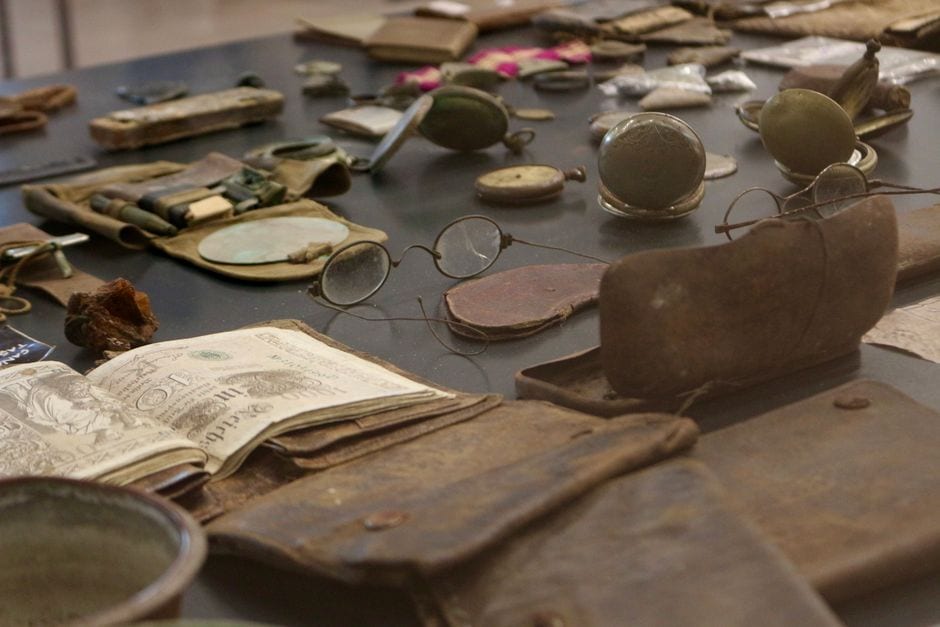
Choose museum visitation hoursA first visit to The Breman in Atlanta starts with two practical distinctions: gallery hours differ from office hours, and the entrance is on a different street from the mailing address. The museum’s current contact page lists museum visitation Wednesday through Friday and Sunday, 11 a.m. to 4 p.m. It lists Monday, Tuesday and Saturday as closed for ordinary museum visitation. The offices have a Monday–Friday schedule, which does not mean the galleries are open throughout those weekdays. Group tours and archival work have their own arrangements. Decide whether you want an ordinary museum visit, a booked group experience or a research task before choosing a time, then confirm any special closure that could affect your date. Share the destination as The Breman, 1440 Spring Street NW, Atlanta. Give companions the entrance information as well as the address. A museum day can be easier when everyone knows which schedule applies and where to arrive, particularly if one person is arranging a ride or meeting the rest of the group after traveling independently. |
 Illustrative photograph album; not a Breman archive item or exhibition photograph. Photo by Laura Fuhrman on Unsplash |
Use the 18th Street entrance and allow arrival timeThe official directions and parking page explains that The Breman is inside the Selig Center at the northwest corner of 18th and Spring streets. Although the address is on Spring Street, the gated museum entrance is on 18th Street. Use the intercom and let security know you are visiting the museum. The museum describes limited free guest parking, including accessible parking, in front of the museum and within the gated facility. Limited availability is not a guarantee of a space at your arrival time. Leave a margin for entering and parking, and ask the museum about arrangements if a particular drop-off or access need is essential. The operator also describes a drop-off point directly in front of the main entrance. Coordinate that plan with companions instead of improvising a meeting beside moving vehicles. For public transportation, consult current service and the museum’s walking directions; a route description does not guarantee that a particular service is operating on your date. Before going inside, agree on the general length and focus of the visit. Leave room for a pause or a second look at an object that interests someone. Avoid making every other stop in your day depend on finishing all galleries in a fixed, unverified amount of time. |
 Illustrative museum setting; not The Breman. Photo by Artur Matosyan on Unsplash |
Choose a story and read its contextThe current exhibition page includes Southern Jewish history, collection-based stories and the permanent “Absence of Humanity” Holocaust exhibition. Preview those descriptions so your group can choose an appropriate focus. If visiting with children, ask museum staff about age suitability and educational resources rather than assuming every exhibition is intended for the same audience. In a history gallery, choose one object or testimony and read the interpretation carefully. Notice whose experience it presents, where the account takes place and what the source helps explain. Separate what the display establishes from your own questions or assumptions. A focused visit can prompt further learning without requiring an immediate answer to every question. Our Center for Puppetry Arts museum guide covers a separate nearby destination, while our Carter Museum visit-and-research guide offers another way to plan a history outing. Each has its own admission and visiting rules. Facts were checked October 7, 2026. Recheck current notices, confirm admission arrangements and use the correct Breman visitation schedule before departure. Give sensitive historical material time and attention. Let companions pause when needed, and use the museum’s interpretation to support discussion afterward. A quiet, focused conversation may be more useful than moving quickly to another destination.
For more local outing ideas, explore our guides to things to do in Atlanta, GA and things to do in Midtown Atlanta. |
0 Comments
Join the conversation
Be the first to comment
Share your thoughts above.