
Atlanta ToolBank Borrowing: Confirm Membership Before the Project |
Atlanta ToolBank borrowing for nonprofits: check eligibility, membership, handling fees and scheduled pickup before planning a service day. |

Atlanta ToolBank borrowing for nonprofits starts with an organization’s membership and project plan, not a walk-in request for a personal household job. The Atlanta Community ToolBank lends tools and equipment to eligible service organizations, with membership and handling charges that should be understood before volunteers are invited.
Its first-time borrower guidance lists nonprofit and charitable organizations, schools, neighborhood associations, faith-based groups, civic organizations and government agencies among eligible applicants. A 501(c)(3) determination is not the only acceptable route; the page describes alternative documentation of charitable intent.
The same guidance says access is not available for individual or personal use. A group’s general enthusiasm for a cleanup is not membership approval. Identify the organization responsible for the project and ask ToolBank staff how that organization should apply. Confirm the agency and the actual cost |
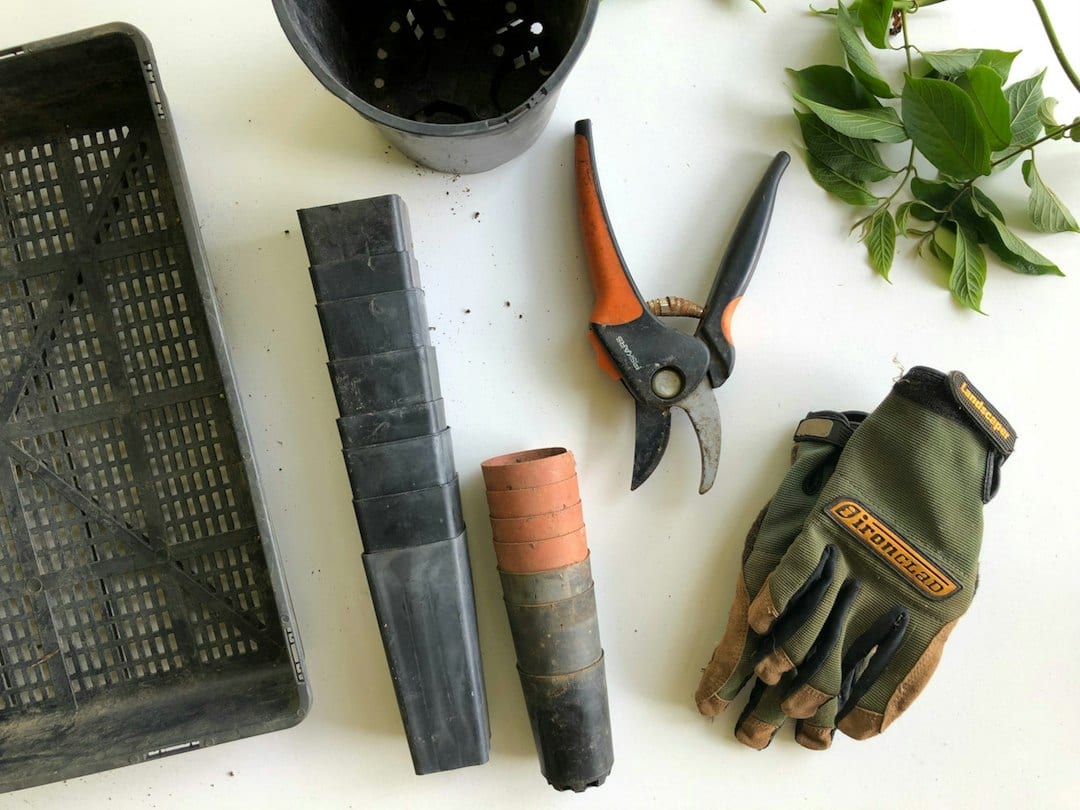 Illustrative stock photo of gardening tools; not Atlanta ToolBank inventory, an approved loan or a reported service project. Photo by Eco Warrior Princess on Unsplash |
First-time applicants are directed to prepare documentation, review the membership agreement and service policy, and apply online. Annual dues depend on the agency’s budget. Use the current application instructions and confirm approval before treating a tool order as available for collection.
The tool-lending program page states a handling charge equal to 5% of each tool’s retail value for each week borrowed. This is separate from annual membership dues. Request the actual order total and lending period rather than estimating a service day from the word “nominal.”
The program also identifies possible late, cleaning and replacement charges. Read the current policies with the person who will manage the tools. Borrowing can reduce the need to buy equipment, but it still creates responsibilities for the agency that receives it.
Write a tool list around specific tasks and the volunteers who are able to perform them. Do not reserve unfamiliar equipment simply because it appears in an inventory. Confirm suitability, instructions and any training needs before assigning a task or arranging transport. Plan pickup and return as part of the project |
 Illustrative stock photo of gardening tools; not Atlanta ToolBank inventory, an approved loan or a reported service project. Photo by Thirdman on Pexels |
Approved member agencies submit an online order and use a scheduled pickup. ToolBank staff prepare the order and provide usage and care guidance with an itemized receipt. Bring an appropriate vehicle and confirm what the loading plan requires, especially for bulky or multiple items.
The warehouse address is 410 Englewood Avenue SE in Atlanta. Published warehouse information says visits are by appointment, with weekday hours and a midday closure. Use the confirmed appointment rather than assuming the published working day allows an unscheduled arrival.
Name one person to check the received order against the project list and another clear contact for the return. After the service day, account for every item and arrange the confirmed return appointment. Keep the agency’s paperwork with the people responsible for that handoff. Keep the host’s permission separateOur Oakland Cemetery volunteering guide illustrates why a host’s approved role comes first. Access to borrowed tools does not authorize work on someone else’s property or replace a host organization’s training and supervision.
For discarded material, our CHaRM appointment guide covers a different receiving process. Confirm where a cleanup’s material can go before loading it. Tools, site permission and disposal are three separate arrangements; a workable Atlanta service day needs all three to match.
Before the work begins, share the confirmed equipment list and handoff responsibilities with the team. If the task, attendance or date changes, revisit the order instead of passing an outdated plan to the pickup driver. |
0 Comments
Join the conversation
Be the first to comment
Share your thoughts above.